ชิ้นส่วนปั๊ม
สินค้า
- View as
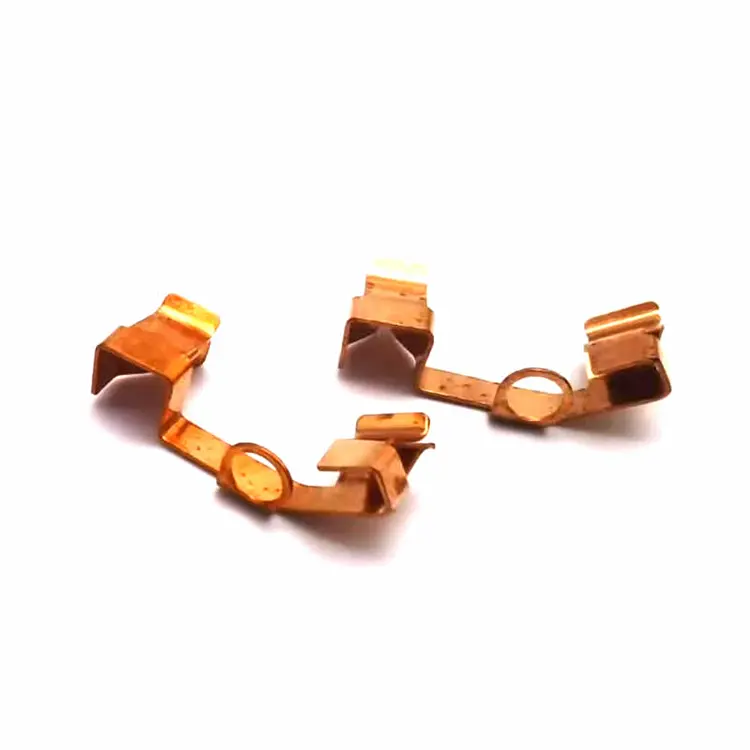
ปั๊มชิ้นส่วนสำหรับซ็อกเก็ต
Stamping Parts For Socket เป็นผู้ผลิตชั้นนำของชิ้นส่วนปั๊มโลหะแบบก้าวหน้า ชิ้นส่วนปั๊มถูกนำมาใช้กันอย่างแพร่หลายในสวิตช์ รีเลย์ เทอร์โมสแตท คอนแทคเตอร์ ตัวตัดการเชื่อมต่อ ตัวควบคุม ตัวจับเวลา และอุปกรณ์แรงดันต่ำอื่น ๆ
อ่านเพิ่มเติมส่งคำถาม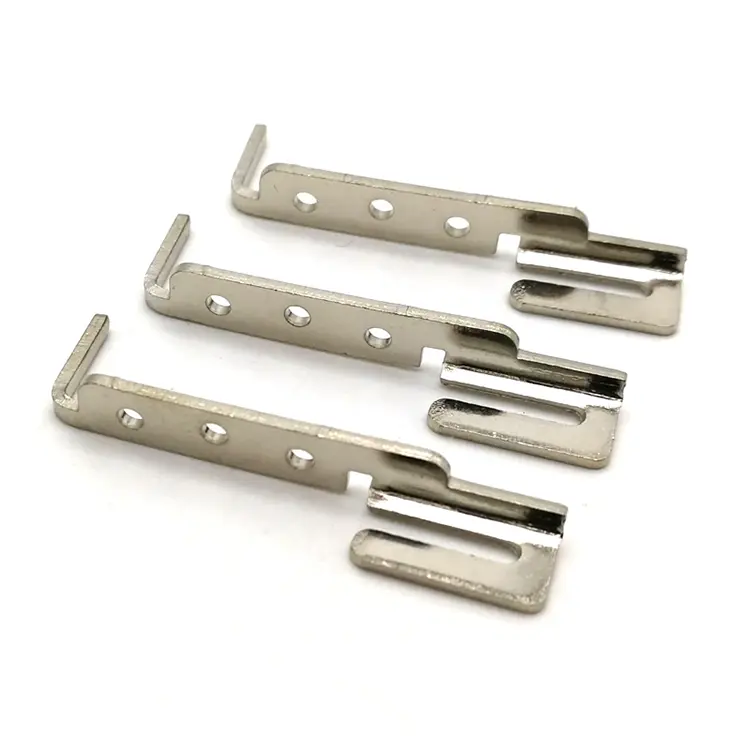
ชิ้นส่วนประทับตราโลหะ
Nuote Metals เชี่ยวชาญในการผลิตชิ้นส่วนประทับตราโลหะภายในบริษัท เรามีทีมผู้เชี่ยวชาญภายในบริษัทสำหรับการออกแบบเครื่องมือและแม่พิมพ์ การสร้าง การดำเนินการกดที่เป็นแบบอย่าง และการประกอบ เรามีประสบการณ์มากกว่า 10 ปีในเทคนิคการปั๊มโลหะ ส่งแบบของคุณมาให้เราเพื่อเสนอราคาที่รวดเร็ว
อ่านเพิ่มเติมส่งคำถาม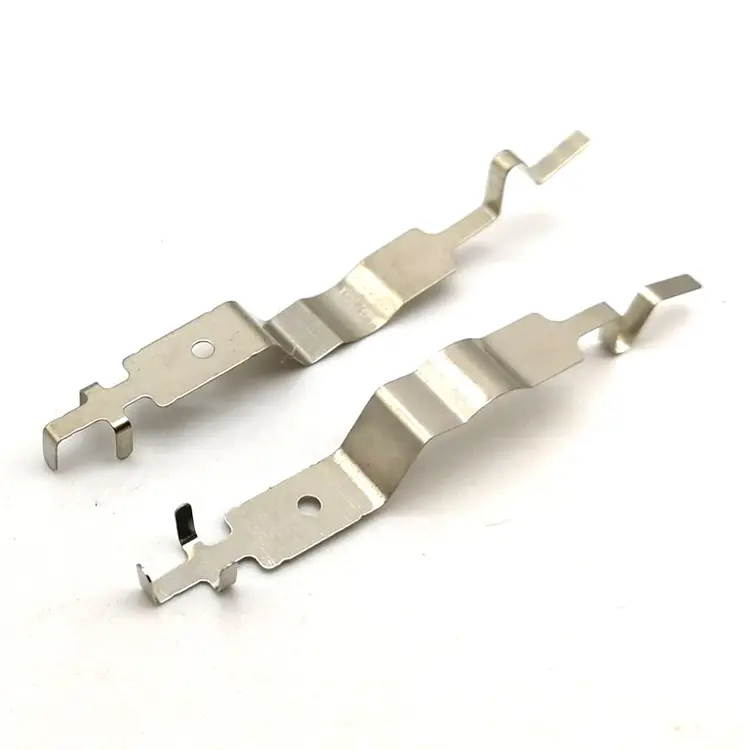
ชิ้นส่วนปั๊มโลหะ
Nuote Metals คือผู้ผลิตชิ้นส่วนปั๊มโลหะชั้นนำสำหรับชิ้นส่วนสั่งทำพิเศษจากวัสดุฐานที่หลากหลาย เช่น อลูมิเนียม ทองเหลือง สแตนเลส เบริลเลียมทองแดง เหล็ก ฯลฯ เรานำเสนอความสามารถในการปั๊มโลหะที่มีความแม่นยำหลากหลาย รวมถึง: การพับ, การดัด, การทำเหรียญ, การขึ้นรูป, การเจาะ ฯลฯ
อ่านเพิ่มเติมส่งคำถาม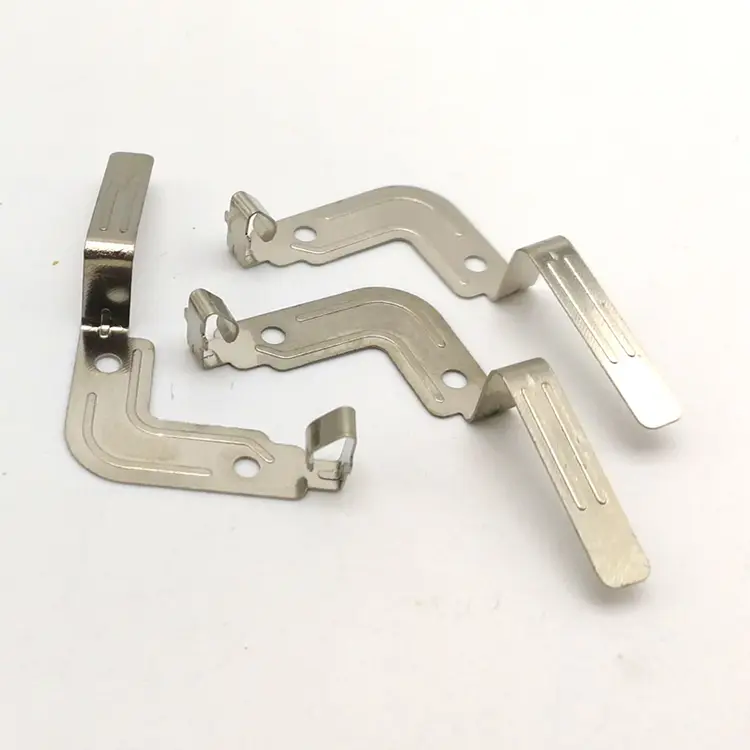
ชิ้นส่วนโลหะปั๊มความแม่นยำ
Nuote Metals สามารถใช้โลหะหลากหลายชนิดเพื่อผลิตชิ้นส่วนโลหะปั๊มขึ้นรูปที่มีความแม่นยำ อย่างไรก็ตาม กระบวนการและโลหะบางประเภททำงานได้ดีกว่าในกระบวนการปั๊มโลหะที่มีความแม่นยำ หรือเหมาะสมกว่าสำหรับกรณีการใช้งานเฉพาะ
อ่านเพิ่มเติมส่งคำถาม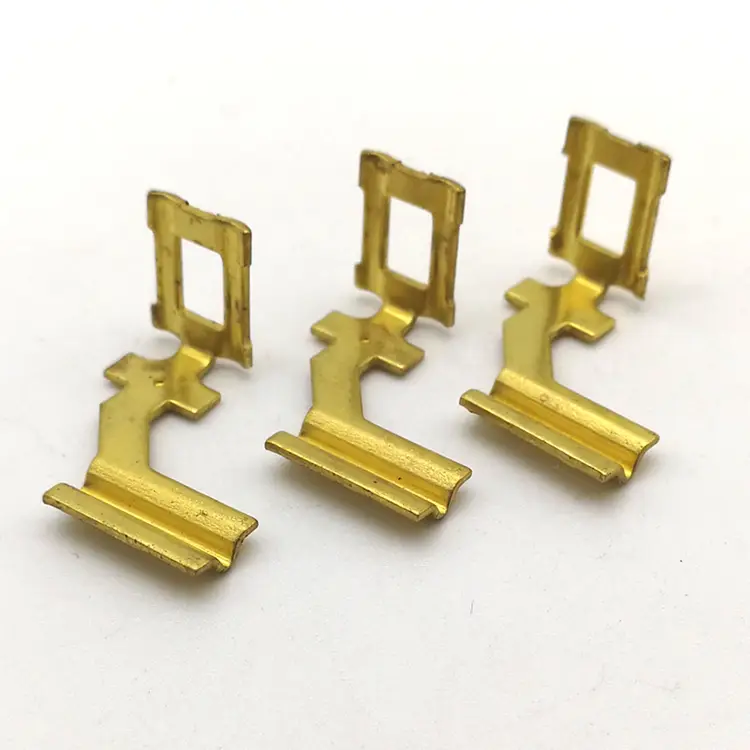
การปั๊มโลหะที่มีความแม่นยำ
Nuote Metals เป็นผู้ผลิตชิ้นส่วนปั๊มโลหะที่มีความแม่นยำในประเทศจีน ซึ่งเป็นชิ้นส่วนโลหะที่มีความแม่นยำซึ่งผลิตโดยใช้การปั๊มแม่พิมพ์แบบโปรเกรสซีฟ คอมพาวด์ และทรานเฟอร์ ด้วยแท่นอัดตั้งแต่ 25 ถึง 200 ตัน เราจัดการวัสดุต่างๆ เช่น เหล็กกล้าคาร์บอน สแตนเลส อลูมิเนียม ทองเหลือง และทองแดง ความสามารถต่างๆ ได้แก่ การพับ การเจาะ การดัด การวาด การสร้างเหรียญ และการทำนูน ได้รับการรับรองมาตรฐาน ISO 9001:2015 มีการตรวจสอบและตัวอย่าง DFM ฟรี ติดต่อเราวันนี้
อ่านเพิ่มเติมส่งคำถามSome important factors to keep in mind:
Plasticity and Grain Direction – Plasticity is a measure of the permanent deformation a material undergoes when subjected to stress. Metals with greater plasticity are more susceptible to forming. Grain direction is important in high-strength materials, such as tempered metals and stainless steel. If bending occurs along a high-strength grain, cracking is more likely.
Bending Deformation/Expansion: Bending deformation causes expansion of up to 1/3 of the material thickness. This deformation/expansion becomes more severe as the material thickness increases and the bend radius decreases. Web and "mismatch" cutting: This involves making very slight indentations or protrusions in the part, typically about 0.1mm deep. This feature is not required when using composite or transfer tools, but it is essential when using progressive dies.
Advantages and Limitations of Stamping
Advantages:
- Low cost: In mass production, the cost per part can be reduced to one-third of that of a cast part;
- High consistency: Dimensional tolerances can be controlled within ±0.1mm;
- High material utilization: Through nesting optimization, the utilization rate can reach over 85%.
Limitations:
- Long mold development cycle and high initial investment, making it unsuitable for large-scale production;
- Complex three-dimensional structures (such as hollow crankshafts) require integration with other processes.
Core Application Areas of Stamping Parts
1. Automotive Industry: Accounts for over 60% of total stamping part demand, including body panels and chassis components;
2. Electronics and Electrical: For example, metal mobile phone frames and heat sinks, thicknesses can be as thin as 0.2mm;
3. Home Appliance Industry: Refrigerator panels, air conditioner housings, etc., where surface aesthetics can be enhanced through electroplating or spraying.



X
เราใช้คุกกี้เพื่อมอบประสบการณ์การท่องเว็บที่ดีขึ้น วิเคราะห์การเข้าชมไซต์ และปรับแต่งเนื้อหาในแบบของคุณ การใช้ไซต์นี้แสดงว่าคุณยอมรับการใช้คุกกี้ของเรา
นโยบายความเป็นส่วนตัว